
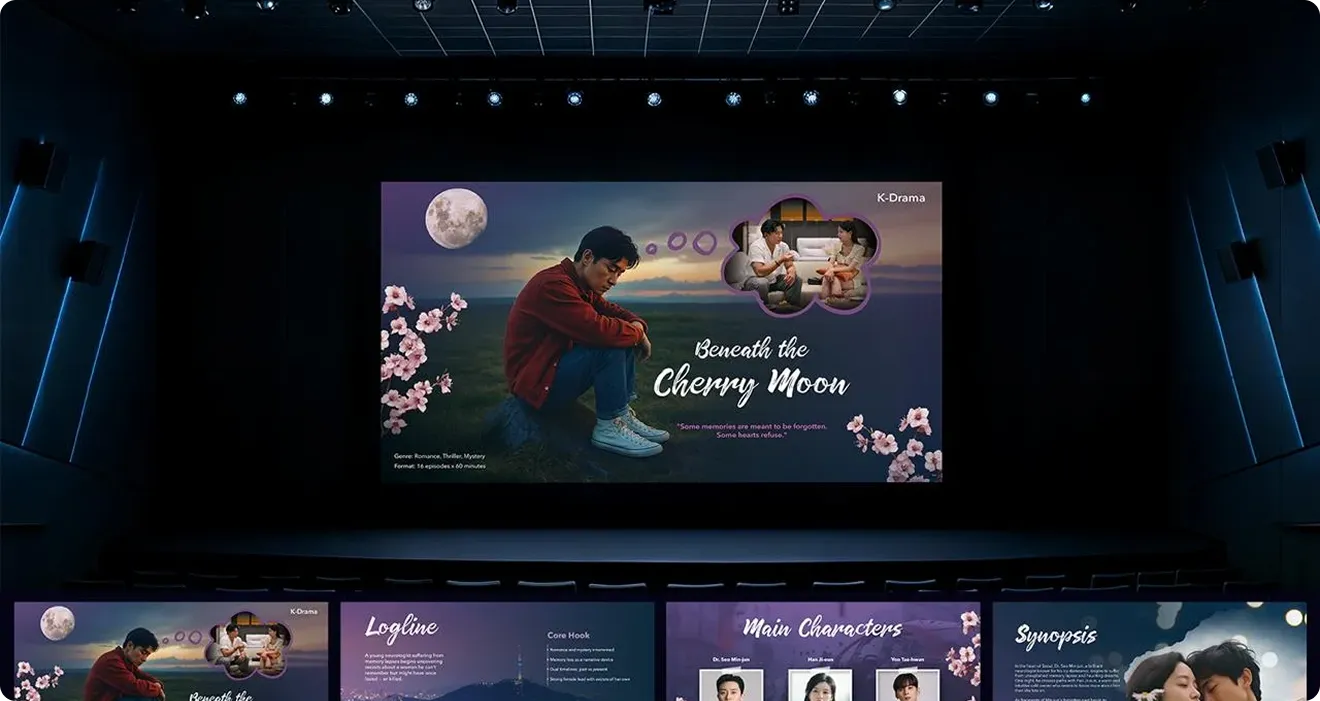
Pitching a film is more than just sharing an idea—it’s about telling a compelling story visually. A well-crafted visual deck helps filmmakers communicate concept, tone, and potential to investors, producers, or studios.
A strong film pitch deck combines storytelling, design, and data to make your project irresistible. When done right, it increases the chances of funding and support.
Why Visual Decks Are Critical in Film Pitching
Traditional scripts and verbal pitches have limitations:
- Investors and producers often have limited time
- Text-heavy documents fail to convey emotion or tone
- Visuals help audiences imagine the story
A visual deck ensures your pitch captures attention and communicates the essence of your film instantly.
Key Components of a Film Pitch Deck
1. Clear Logline and Hook
Start with a strong hook:
- One-sentence logline summarizing your film
- Highlight the unique angle or emotional core
- Make it memorable and compelling
This sets the stage for your story and keeps investors engaged.
2. Story Overview and Structure
Include a concise summary of your film:
- Act structure (beginning, middle, end)
- Key plot points and character arcs
- Tone, genre, and target audience
Investors should understand the story without reading the full script.
3. Character Profiles and Visuals
Introduce your characters:
- Short bios and motivations
- Concept art, sketches, or stills to visualize personalities
- Highlight main cast or actors attached, if applicable
Visual representation helps the audience connect emotionally.
4. Mood, Style, and Visual References
Show the film’s tone and aesthetic:
- Color palettes and cinematography style
- Reference films, imagery, or storyboards
- Mood boards or key scenes
This conveys your artistic vision clearly and effectively.
5. Market Potential and Audience
Film investors want to know the commercial viability:
- Target demographic and audience size
- Comparable films and their box office performance
- Unique selling points that differentiate your film
Market insight demonstrates preparedness and reduces perceived risk.
6. Budget and Funding Ask
Clearly present financials:
- Production budget breakdown
- Expected revenue or distribution channels
- Amount you’re seeking and use of funds
Transparency builds investor confidence and shows professionalism.
7. Team and Experience
Highlight the team behind the film:
- Director, producer, and key crew credentials
- Past work or awards that lend credibility
- Why this team is best suited to bring the film to life
Investors often back people as much as projects.
8. Design Tips for an Effective Film Pitch Deck
Visual design is crucial:
- Use high-quality images and minimal text
- Consistent fonts, colors, and layout
- Slides should support storytelling, not overwhelm
A polished deck reflects professionalism and enhances persuasion.
Final Thoughts
Pitching a film with a visual deck is about bringing your story to life visually, emotionally, and strategically. The right combination of compelling narrative, strong visuals, and clear financials can make the difference between securing funding or being overlooked.
Working with an experienced Film Pitch Deck Designer can ensure your ideas are communicated clearly and attractively.
See Our Film Pitch Deck Design Work
Want to see how professionally designed film decks help secure funding?
Explore our Film Pitch Deck Design Services